
Some of Puerto Rico’s Best Beaches: Islands, Surf & Scenic Shores
Explore 18 Puerto Rico coastal destinations by experience, without confusing beautiful scenery with a guarantee of safe swimming.
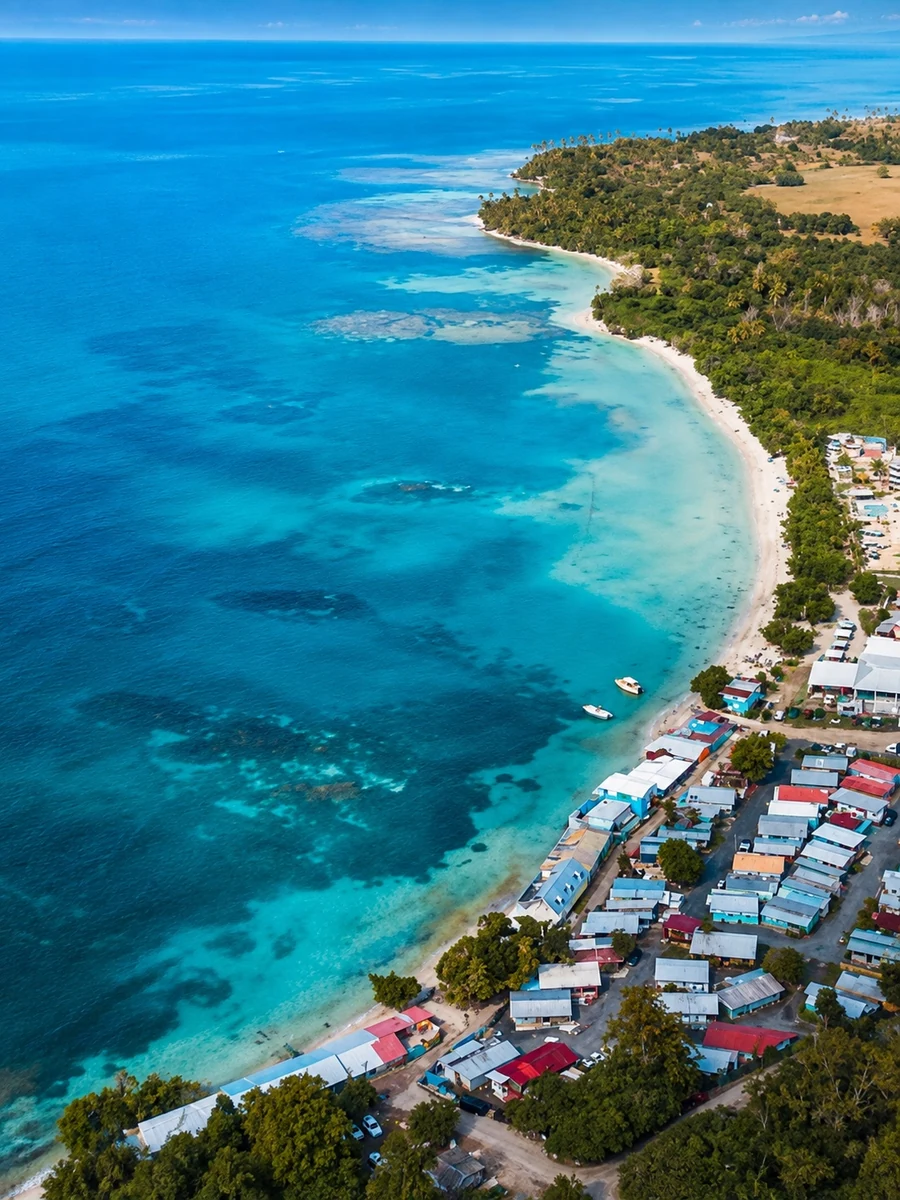
Places, stories and experiences
A beach for every experience
This selection brings together beaches covered by Platea and Discover Puerto Rico along with scenic coastal landmarks. It is not a ranked list or a guarantee of safe swimming. Puerto Rico offers different kinds of coasts: staffed balnearios, quiet-looking coves, surf beaches, island beaches requiring sea transfers, and rocky scenery best appreciated from shore. No beach should be labeled permanently safe for swimming: check marine forecasts, flags and current warnings.
Choose by region, experience and access
For a shorter beach day, select a coast near your accommodation. Culebra and Vieques require ferry or flights and local transport; Icacos requires a boat; Cabo Rojo and the west often involve longer drives. A famous beach is not automatically suitable for every visitor.
Balneario La Monserrate — Luquillo
Balneario La Monserrate. Luquillo pairs a broad sandy beach with a beach-park atmosphere and the nearby kiosks, making it easy to combine the coast with local food. La Monserrate is convenient for a beach day that does not require a boat excursion. Popularity, however, is not a promise of safe swimming: surf, currents and the availability of amenities can change. Check access, parking and current beach advisories before arriving.
Seven Seas — Fajardo
Seven Seas. At Las Croabas in Fajardo, Seven Seas offers a beach-day setting that can be paired with other attractions in eastern Puerto Rico. The wider area is also a starting point for learning about Laguna Grande and the Cabezas de San Juan reserve, though each experience has different access rules. Verify facilities, lifeguards and parking for your date. A family-friendly reputation does not mean the water is safe under all conditions.
Balneario El Escambrón — San Juan
Balneario El Escambrón. El Escambrón brings together the city, its parks and the sea in one of San Juan’s most recognizable coastal recreation areas. Its proximity to Old San Juan makes it appealing for visitors combining historic streets with a seaside break. Reef-protected sections attract interest in snorkeling, yet conditions and permitted areas need to be checked before entering. Not every stretch of this urban shoreline has the same shelter or amenities.
Playa Buyé — Cabo Rojo
Playa Buyé. Buyé is among the Cabo Rojo beaches highlighted by Platea’s surveyed community. Pale sand and a relaxed day-trip atmosphere help explain its appeal to local residents and travelers. A weekday visit may feel very different from a busy weekend, so parking and access deserve advance planning. Descriptions of normally gentle water should never replace checking actual surf and currents on the day.
Playa Montones — Isabela
Playa Montones. On Isabela’s coastline, Montones is shaped by rock formations near the shore that can shelter portions of the water in some conditions. This has helped make it known among families, but natural barriers do not remove every hazard. Tide, wind and swell can transform the setting. The beach is also an example of how coastal geology changes the way waves meet the shore. Assess the day’s conditions before swimming and avoid exposed areas.
Poza del Obispo — Arecibo
Poza del Obispo. In Arecibo, Poza del Obispo sits within a memorable landscape of rocky coast and the nearby historic lighthouse. Some sections may look sheltered, while the surrounding open sea can be rough. A visit can be paired with the lighthouse exterior when access permits. Distinguish between apparently protected pockets and areas exposed to breaking waves and moving water; never assume the entire shoreline is suitable for swimming.
Playa Flamenco — Culebra
Playa Flamenco. Flamenco is one of Culebra’s most recognizable landscapes, a broad crescent of pale sand and shifting blue water. Its beauty comes with an important logistical reality: Culebra is an island reached by ferry or air, followed by local transportation. Plan the return as carefully as the beach visit. Amenities and sea conditions vary, and frequent appearances in travel rankings do not replace reading beach flags and respecting protected areas.
Playa Tamarindo — Culebra
Playa Tamarindo. Tamarindo reveals another side of Culebra, associated with marine life and reef environments. Responsible snorkeling means keeping distance from wildlife, never touching coral and avoiding contact with the seabed. Check currents and visibility and arrange transport from your Culebra arrival point. This is not principally an amenity-filled beach-park experience; the reward is encountering a fragile coastal ecosystem respectfully.
Playa La Chiva — Vieques
Playa La Chiva. La Chiva is among Vieques’ striking coastal settings highlighted by Discover Puerto Rico for pale sand and vivid blue water. Its location within a wildlife refuge makes posted rules, approved roads and possible area closures especially important. A successful beach day requires getting to Vieques and arranging movement around the island. Clear-looking water is not proof of safe conditions, and services should not be assumed at every access point.
Sun Bay — Vieques
Sun Bay. Sun Bay stands out among Vieques beaches for its connection to Esperanza and its established beach-park character. The broad shore suits strolling, appreciating the scenery and planning time on the island’s southern coast. Discover Puerto Rico describes amenities, but confirm what is operating before relying on them. Vieques also requires ferry or air travel and local ground transportation; it is not a road destination from Ceiba.
Media Luna — Vieques
Media Luna. Near Sun Bay, Media Luna has a distinct half-moon shape and sections that may be shallow under favorable conditions. It appeals to visitors seeking a slower-paced outing, but road access and available services should be checked. On an island with sensitive coastal habitats, carry out all waste and avoid disturbing wildlife. Shallow-looking water does not remove risks from changing swell or currents.
Crash Boat — Aguadilla
Crash Boat. Crash Boat’s distinctive pier and lively social atmosphere make it one of Aguadilla’s most recognizable coastal scenes. Swimmers, photographers and water-activity enthusiasts may share the area, which makes awareness of boat movement and conditions important. Crowds can be substantial, especially on weekends. Do not treat jumping or diving from structures as inherently safe activities or encourage them without proper supervision.
Domes Beach — Rincón
Domes Beach. Domes is closely tied to Rincón’s surf culture and takes its familiar name from the dome-shaped structure near the coast. It is a rewarding place to watch surfers, appreciate the local beach culture and pair the visit with Punta Higüero Lighthouse Park. Swell changes by season; conditions attracting experienced surfers may be unsuitable for casual swimming. Enjoy the view from a safe place when surf is heavy.
La Pared — Luquillo
La Pared. In Luquillo, La Pared offers a different experience from nearby La Monserrate beach park. Its identity is strongly connected to surfing and wave action rather than calm-water swimming. It can be rewarding for watching boards in motion, learning about local surf culture or taking a shoreline walk when conditions permit. Do not recommend it as a family swimming spot solely because other Luquillo beaches may be more sheltered.
Mar Chiquita — Manatí
Mar Chiquita. Mar Chiquita in Manatí is shaped like a small semicircular cove, with an opening through coastal rock connecting it to the Atlantic. The formation is visually dramatic, but the same opening can produce unpredictable water movement. Strong swell may push water through the gap and create hazardous currents. It is a compelling place to appreciate coastal geology, not a guarantee of safe swimming.
La Playuela (Playa Sucia) — Cabo Rojo
La Playuela (Playa Sucia). La Playuela, also called Playa Sucia, sits amid Cabo Rojo’s dramatic dry hills, pale limestone and views associated with Los Morrillos Lighthouse. Getting there may require navigating variable road conditions and walking from approved access areas; heat and limited shade can matter as much as distance. It pairs naturally with the lighthouse and salt flats, but deserves more than a quick photo stop. Assess surf, currents and advisories before entering the sea.
Cueva del Indio — Arecibo
Cueva del Indio. Cueva del Indio is not a swimming beach. It is an Arecibo coastal landmark where rock arches, sea views and petroglyphs call for respectful attention. Its cultural significance matters as much as the dramatic scenery. Uneven rock surfaces and exposed edges create hazards: never cross barriers or enter restricted areas. Check current access rules and approach it as a cultural and scenic visit rather than a water activity.
Cayo Icacos — Fajardo
Cayo Icacos. Icacos is reached by boat from the Fajardo area, not by driving to a beach parking lot. Its clear water and lack of facilities are both part of its appeal and a key logistical challenge. Confirm the vessel, departure and return pier, included equipment and environmental rules. Bring sufficient water and sun protection. Island Ride may evaluate ground transport to an agreed meeting point, but boat tickets are not automatically included.
Before visiting: safety and conservation
On Atlantic-facing beaches check surf, rip currents and National Weather Service advisories. Respect signs, wildlife and protected areas, particularly coral reefs and nesting areas. A pool that looks calm can change with tides and swell. No beach is safe simply because it appears in a beautiful-beaches list.
One beach guide, several regional journeys
This is an editorial starting point; the Culebra, Vieques, Cabo Rojo and Icacos guides explore ferry, driving and marine arrangements more deeply. Beaches scattered across the island should not be treated as a one-day circuit.
Before you go
Before swimming, check the weather forecast, surf and currents through official sources.
Frequently asked questions
Which beach is safe for swimming?
No beach is safe every day. Check current advisories, rip currents, surf, flags and lifeguard presence.
Can I drive to Flamenco or Icacos?
Not from Puerto Rico’s main island: Flamenco is on Culebra and Icacos requires a boat.
Is Cueva del Indio a swimming beach?
No. It is a coastal natural and cultural attraction, not a recommended swimming beach.
Sources and useful links
Platea — selección comunitaria de playas 2026Platea — ruta de playas FajardoDiscover Puerto Rico — mejores playasDiscover Puerto Rico — playas relajantesDiscover Puerto Rico — playas ViequesDiscover Puerto Rico — seguridad de playasDiscover Puerto Rico — turismo costero responsable (2026)DRNA — guía de acceso a las costasWe can review your request based on the route and availability. Tickets and third-party activities are booked separately.
Ask via WhatsApp